
4th of July Fireworks: How to Protect Your Pets and the Wildlife Around Them
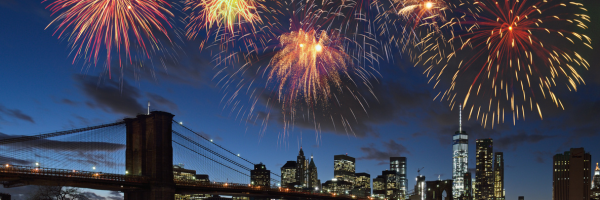
Every Fourth of July, millions of Americans look up at the sky to celebrate, but for the animals sharing our neighborhoods, parks, and backyards, fireworks aren’t a celebration — they’re an assault. The booming, unpredictable noise and flashing light trigger a fear response that dogs, cats, birds, and wildlife can’t reason their way out of. More pets go missing during the week of July 4th than at any other time of year, and the impact on wild animals is just as real, even if it’s less visible.
This year, Voters For Animal Rights wants every pet guardian — and every New Yorker who cares about animals — to be ready. Below, you’ll find practical steps to protect your dogs and cats, how to help vulnerable community cats, what fireworks do to wildlife, and how you can take action to push for a quieter, safer celebration in New York City.
Why Fireworks Are So Frightening to Animals
Dogs and cats experience sound far more intensely than humans do. Their hearing range is wider and more sensitive, so a firework that sounds loud to us can feel physically painful to them. Add in the unpredictability — booms with no visible source, no pattern, no warning — and you have a recipe for panic. That panic is why animal shelters and lost-pet hotlines see such a dramatic spike in runaway pets every July 5th and 6th.
Wild animals experience the same fear, but without a home to flee back to. Fireworks disrupt nesting birds, send deer and other wildlife running into traffic, and can cause lasting stress and displacement in urban and suburban wildlife populations that already have little undisturbed habitat to retreat to.
How to Prepare Your Dog for Fireworks Night
- Secure identification before the holiday. Make sure your dog’s collar tag and microchip information are current. This is the single most effective way to get a frightened, runaway dog back home.
- Walk early, stay in after dark. Take your dog’s main walk and bathroom break well before fireworks typically start in your area, then plan to keep them indoors once the noise begins.
- Create a safe den. A crate, closet, or interior room with blocked-out windows can help a dog feel less exposed. Add their favorite bedding and a piece of your worn clothing for comfort.
- Use white noise or calming sound. A fan, TV, or white-noise app can mask the sharpest firework cracks.
- Talk to your vet ahead of time. If your dog has a history of severe noise anxiety, ask about anxiety wraps, calming supplements, or prescription options well before the holiday — not the day of.
- Never bring dogs to fireworks displays. Even calm dogs can bolt at the first boom.
How to Prepare Your Cat for Fireworks Night
Cats tend to hide their fear rather than show it outwardly, which can make their distress easy to miss.
- Keep cats indoors all evening, even if they normally have outdoor access in a windowbox or catio. This is the single biggest risk-reduction step you can take.
- Close windows, blinds, and curtains to muffle sound and block the flash of light.
- Give them an escape route to a hiding spot — under a bed, inside a covered carrier, or a closet — and don’t force them out of it.
- Double-check doors and windows for secure latches. Startled cats can push through screens or slip out during a moment of panic.
- Make sure tags and microchips are current, just as you would for a dog.
Don’t Forget Community and Stray Cats
If you care for outdoor or community cats — whether it’s a colony you manage or a stray who visits your yard — please try to bring them into a garage, enclosed porch, or other safe indoor space for the evening, even temporarily. If that isn’t possible, providing extra hiding spots, covered shelters, and food and water away from the noise can help reduce the danger of a cat bolting into traffic or becoming lost. A simple carrier with a blanket inside, placed in a quiet covered area, can be a lifesaving option for cats who can’t come fully indoors.
The Hidden Toll on Wildlife
Fireworks don’t stay contained to the place they’re launched. Birds abandon nests and can fly into windows or structures in panicked flight. Studies of nesting bird populations have documented elevated stress responses and even nest abandonment following major fireworks events. Deer, raccoons, and other urban wildlife are startled into roadways, increasing the risk of vehicle strikes. Fish and aquatic life in nearby waterways are affected by the debris and chemical residue that firework displays leave behind, particularly in heavily used sites like rivers, harbors, and parks where large-scale displays are repeated year after year.
For wild animals, there’s no white-noise machine or safe den to retreat to — just a sky that suddenly and repeatedly explodes above the only home they have.
A Quieter, Safer Future Is Possible
The good news: cities and major event producers don’t have to choose between celebration and cruelty. Silent fireworks — which deliver the same visual spectacle with dramatically reduced noise — and drone light shows are already being used successfully at large public events around the world. They protect pets, wildlife, veterans and others with noise sensitivity, and the people and animals who live near display sites, without sacrificing the visual experience that makes Fourth of July celebrations memorable.
New York City is home to one of the largest fireworks displays in the country, produced annually by Macy’s. As the producer of this flagship event, Macy’s has the opportunity to set the standard for the entire industry by transitioning to silent fireworks or drone-based displays.
Take Action: Tell Macy’s to Go Silent
You can help protect pets, wildlife, and vulnerable New Yorkers by urging Macy’s to commit to silent fireworks or drone shows for future Fourth of July celebrations.
Sign Voters For Animal Rights’ petition calling on Macy’s to make the switch — your voice adds pressure for a celebration that doesn’t come at the expense of animals.
Every signature helps build the case that New Yorkers want a celebration that’s just as spectacular — and far less harmful to the animals who share our city and our homes.