
Why Voting Matters for Animals (Even the “Small” Elections)
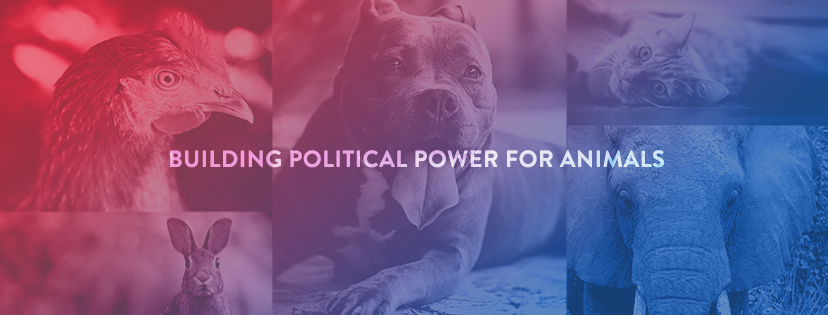
Animals don’t get a ballot. They don’t choose who sits on their city council, who runs their state legislature, or who signs the bills that decide whether they live protected or exploited lives. We choose. That’s why every election — not just the big presidential ones — works as a referendum on how our communities treat animals.
At Voters For Animal Rights (VFAR), we have a simple mission: elect animal-friendly candidates and hold them accountable in office. That mission depends on you. Here’s why voting matters for animals in every election, and how to get ready.
Animal Policy Lives Far Below the Presidential Ballot
When people think about “politics,” they picture Washington, D.C. But local offices make most of the decisions that directly affect animals’ lives:
- Local governments shape daily life in your community and that includes animals in it. City councils set the rules that decide whether carriage horses work in midtown traffic, whether glue traps stay on store shelves, and how much of the municipal budget funds spay/neuter and pet food pantry programs.
- State governments set the precedents that ripple far beyond their own borders. State legislatures decide whether companies can farm wild animals like octopuses, whether stores can sell turtles as pets, and whether facilities can keep elephants captive for entertainment — decisions other states often follow.
- The federal government sets the floor for the whole country. Federal agencies and the officials who lead them enforce — or decline to enforce — animal welfare law nationwide, and federal rules can override or reinforce everything states and cities try to do.
Voters don’t decide these offices in presidential years alone. Most voters skip the odd-year, off-cycle, and primary elections that decide them instead.
Low Turnout Means Your Vote Counts More
It’s tempting to assume your one vote barely registers. The opposite is true in the races that matter most for animals. Nationally, only 15 to 27 percent of eligible voters typically turn out for local elections. Some big-city mayoral races hit a winner with turnout in the high 20s or low 30s percent. Researchers have also found that older, wealthier homeowners dominate local turnout. Renters, young people, and lower-income voters show up far less. That means the people who do vote end up speaking for everyone else.
Don’t read that as a reason to despair. Read it as an opportunity. In a low-turnout race, a small, motivated bloc of animal-friendly voters can swing the outcome. As one voter advocacy organization puts it, your voice carries more weight in a local race than it does in a national one. A city council seat, a state assembly primary, or a district attorney race can come down to a few hundred votes — sometimes fewer.
What’s at Stake: Recent Wins and Losses for Animals at the Ballot Box
Direct democracy has delivered some of the biggest legal victories animals have ever won. It has also delivered some painful losses, often by the same narrow margins.
- California’s Proposition 12 banned the in-state sale of pork, eggs, and veal from operations that confine animals in cages too small for them to stand, turn around, or extend their limbs. Nearly two-thirds of voters approved it. The U.S. Supreme Court later upheld the law against an industry challenge, so it remains the strongest farm animal protection law in the country.
- In 2024, Denver voters considered ballot measures to ban slaughterhouse operations and fur sales. Both measures failed by wide margins — roughly 58 percent voted against the fur measure and 65 percent against the slaughterhouse ban. The outcome shows that animal protection victories at the ballot box never come guaranteed; they depend on sustained voter education and turnout.
- Here in New York, our state legislature recently passed bills to ban octopus farming and prohibit red-eared slider turtle sales. We won those fights because voters elected lawmakers willing to hear the case for animals, then showed up to ask them to vote yes.
Every one of these examples teaches the same lesson: turnout, education, and organizing decide ballot outcomes for animals. Inevitability doesn’t.
Why Voting Matters for Animals: VFAR’s Mission
Animal protection policy doesn’t happen by accident. Voters make it happen when they elect officials who introduce, co-sponsor, and pass legislation that protects animals. Voters also have to hold those same officials accountable when they fall short. That’s why VFAR exists.
VFAR works year-round to:
- Research and score candidates’ records on animal protection issues
- Educate voters on where candidates stand before they cast a ballot
- Push for legislative wins like Ryder’s Law, the octopus farming ban, and budget funding for spay/neuter and pet food pantry programs
- File public records requests and demand accountability when policy fails animals, as we did after carriage horse Deniz died in New York City
None of this works without voters who show up. We need you in every primary, every special election, and every City Council race — not just every four years.
Know Before You Vote: Use VFAR’s Voter Guide
Check VFAR’s Voter Guide before you head to the polls — for any election, at any level:
The guide breaks down where candidates and ballot measures stand on the issues that matter to animals. You can vote with confidence even in down-ballot races where information is hard to find.
How to Register to Vote
You can’t vote for animals if you haven’t registered. Registration takes only a few minutes, but deadlines come up faster than you’d think.
- Anywhere in the U.S.: Register or check your status at Vote.gov
- New York State residents: Register online, by mail, or in person through the NYS Board of Elections
- New York City residents: Register through NYC Votes and check key dates on the NYC Board of Elections registration deadlines page
New York moves its registration deadlines every cycle. Register or confirm your status now — don’t wait until an election gets announced.
Animals Are Counting on You
Every election — the ones that make national news and the ones that barely make the local paper — gives you a chance to put someone in office who will fight for animals. Skip it, and someone who won’t fight for animals could win instead. Animals can’t make that choice. You can.
Register, check VFAR’s Voter Guide before you fill out your ballot, and remember why voting matters for animals in every single election — not just the ones that feel big.
Want to do even more for animals between elections? Join the Animal Voter Collective, VFAR’s monthly giving program, and help fund the research, advocacy, and accountability work that gets animal-friendly candidates elected and animal protection laws passed.