
15 Amazing Opossum Facts That Will Change Your Mind
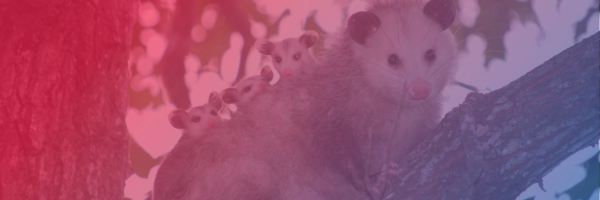
Few animals are as misunderstood as the opossum. Despite their reputation as scary, dirty, or dangerous, opossums are gentle, intelligent, and incredibly beneficial to have around. If you’ve ever spotted one rummaging through your backyard at night, you’ve encountered one of North America’s most quietly heroic creatures.
At Voters For Animal Rights (VFAR), we believe that protecting animals starts with understanding them. Below are 15 fascinating opossum facts — backed by science — that explain why these marsupials deserve far more appreciation (and legal protection) than they currently get.
1. Opossums Are North America’s Only Marsupial
The Virginia opossum (Didelphis virginiana) is the only marsupial found north of Mexico. Like kangaroos and koalas, opossum babies are born tiny and underdeveloped, then crawl into their mother’s pouch to continue growing.
2. They Eat Thousands of Ticks Every Season
Opossums are meticulous groomers, and in the process of cleaning themselves, they kill the vast majority of ticks that latch onto their fur. A single opossum can eliminate thousands of ticks in one season, making them one of nature’s most effective defenses against Lyme disease.
3. Opossums Are Nearly Immune to Rabies
Because opossums have a lower body temperature than most mammals, the rabies virus struggles to survive in their systems. Cases of rabies in opossums are exceptionally rare — far rarer than in dogs, raccoons, or bats.
4. “Playing Possum” Is an Involuntary Survival Response
When threatened, opossums don’t choose to play dead — their bodies go into an involuntary catatonic state that can last from minutes to several hours. They drool, release a foul-smelling odor, and appear lifeless, fooling predators into losing interest.
5. They Have an Incredible Immune System
Studies have shown opossums have partial or significant resistance to the venom of snakes like rattlesnakes and cottonmouths, thanks to specific proteins in their blood. Researchers are studying these proteins for potential use in antivenom development.
6. Opossums Rarely Carry Disease
Unlike many wild animals, opossums have a strong immune system and low body temperature that make them poor hosts for many common pathogens, including the parasite responsible for toxoplasmosis.
7. They’re Excellent (and Surprisingly Clean) Houseguests
Opossums groom constantly, much like cats. They are not interested in destroying property, digging up lawns, or getting into confrontations — they prefer to avoid conflict entirely.
8. Opossums Have Up to 50 Teeth
They have more teeth than any other North American land mammal, but don’t let that intimidate you. Opossums almost never bite humans; their first instinct is always to flee or “play dead.”
9. A Mother Opossum Can Carry Up to 20 Babies
While opossums can give birth to large litters, they typically have only 13 teats, meaning many joeys don’t survive infancy. The ones who do ride on their mother’s back for months after leaving the pouch.
10. They’re Nature’s Cleanup Crew
Opossums are scavengers that help clean up overripe fruit, dead animals, and pest insects like cockroaches, beetles, and slugs — making them a quiet but valuable part of a balanced ecosystem.
11. Opossums Are Solitary and Nomadic
Unlike many mammals, opossums don’t build permanent dens or live in family groups as adults. They wander from shelter to shelter, often taking over abandoned burrows, woodpiles, or spaces under porches.
12. They Have Prehensile Tails
An opossum’s tail can grip branches and carry small bundles of nesting material, though contrary to popular myth, adult opossums don’t actually sleep hanging upside down by their tails.
13. Opossums Are Ancient Survivors
Opossums are often called “living fossils” because their lineage has remained relatively unchanged for tens of millions of years, predating many of the predators and ecosystems they live in today.
14. They Are Frequent — and Avoidable — Victims of Glue Traps
Because opossums forage for insects in garages, sheds, and basements, they’re frequently caught in glue traps meant for rodents. These traps cause prolonged, painful deaths through suffocation, starvation, or self-mutilation as animals try to escape. Banning glue traps is one of the most effective ways to protect opossums and other wildlife from unnecessary suffering.
15. Opossums Have a Surprisingly Short Lifespan
Despite all their evolutionary advantages, opossums typically live only 2 to 4 years in the wild, largely due to predation, vehicle strikes, and habitat loss — all the more reason to give them space and protection rather than fear.
Frequently Asked Questions About Opossums
Are opossums dangerous to humans or pets? No. Opossums are non-aggressive and will almost always flee or feign death rather than attack. They rarely carry rabies and pose minimal risk to companion animals.
Do opossums carry diseases? Opossums are actually less likely than many other wild mammals to carry or transmit diseases like rabies or toxoplasmosis, thanks to their unique immune systems.
Why are opossums good to have in your yard? Opossums help control tick populations, eat garden pests, and clean up rotting fruit and carrion — all without digging up lawns or damaging property.
How can I help protect opossums? Avoid using glue traps and rodenticides, give opossums space to pass through your property undisturbed, and support local legislation that protects wildlife from inhumane pest control methods.
Why Opossum Facts Matter for Animal Advocacy
Misinformation drives fear, and fear drives policies and personal choices that harm wildlife — from inhumane trapping methods to cruel culling. At VFAR, we advocate for legislation that protects all animals, including overlooked species like opossums, from cruelty hiding in plain sight, such as glue traps and other inhumane pest control devices.
Want to help protect opossums and other wildlife in New York? Right now, glue traps remain legal and continue to cause needless suffering for opossums and countless other animals.
Sign the petition to ban cruel glue traps →
Your support also helps VFAR push forward the legislation, FOIL requests, and advocacy campaigns that protect opossums and all animals across New York.