
Wildlife
The Last Federally-Owned Research Chimps Are Headed to Sanctuary
After decades in research labs, the last chimpanzees owned by the federal government are finally going to sanctuary.
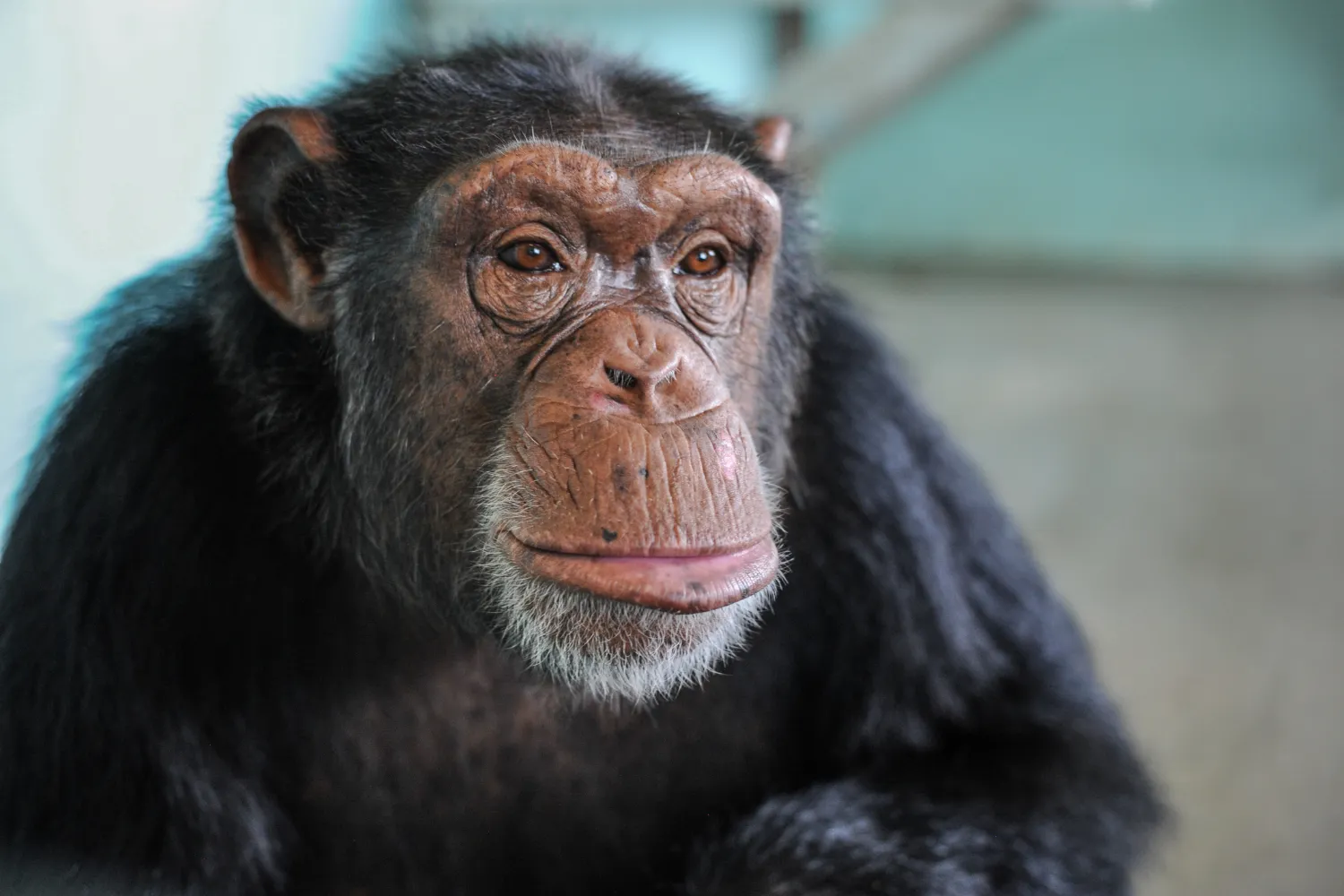
On November 18, the National Institutes of Health (NIH) announced that the 34 chimpanzees who were still living at the Keeling Center for Comparative Medicine and Research in Bastrop, Texas, as of October 1 will move to Chimp Haven, the 200-acre federal sanctuary in Keithville, Louisiana. The chimpanzees range in age from their 30s to late 50s, live in nine social groups, and were used in research on AIDS and other infectious diseases.
Transfers are expected to begin in 2027, and Chimp Haven hopes to welcome every one of them by the end of the year. Once they arrive, no NIH-owned chimpanzees will remain in U.S. laboratories. The news made headlines from The New York Times to local TV stations across the country, and for good reason: this is the end of an era.
A promise more than a decade in the making
This didn’t happen overnight. In 2000, Congress passed the CHIMP Act, creating a national sanctuary system for chimpanzees no longer needed in federal research. In 2015, NIH ended its support for chimpanzee research and committed to retiring its roughly 300 chimpanzees to Chimp Haven. Since then, the agency has moved more than 200 chimpanzees to the sanctuary.
Then the agency backtracked. In 2019, an NIH veterinary panel decided that 44 chimpanzees at the Alamogordo Primate Facility in New Mexico were too old or sick to move. In 2021, it made the same call for 51 chimpanzees at Keeling and 11 at the Southwest National Primate Research Center in San Antonio.
Advocates didn’t accept that answer. Lawmakers, veterinary experts, and animal protection groups challenged that assessment, and advocates took the fight to court. In 2022, a federal judge ruled that NIH violated the CHIMP Act by denying the Alamogordo chimpanzees their retirement. In 2024, with staffing at the remote facility becoming harder to maintain, NIH reversed course.
The Alamogordo chimpanzees, many of them in their 50s and 60s, moved to Chimp Haven in 2025. Not every journey ended well: an elderly chimpanzee named Patricia didn’t survive the trip, but the other 21 arrived safely and are settling in. Henry Danger, a quiet male in his mid-60s, has even become the alpha of his new social group. Their success is what led NIH to revisit moving the Keeling chimpanzees, the last group left.
Not everyone is celebrating. Some biomedical research groups oppose the move, arguing that aging chimpanzees are safer with caretakers they know, but these chimpanzees have spent their entire lives exploited for human research. After everything, they deserve a dignified retirement with 200 acres of forest, the chance to choose how they spend their days, and the care of a sanctuary built for them.
Laws only work when someone makes them work
This victory is a lesson in political power. The CHIMP Act was on the books for more than two decades. A federal pledge was made in 2015. And still, without sustained public pressure and a lawsuit, dozens of chimpanzees would have died in laboratories. Even NIH’s change of course on Alamogordo came after public pressure and legal action.
That’s the work Voters For Animal Rights does every day: passing laws, holding officials accountable, and making sure promises to animals are kept. Winning a law is the first step. Making sure it’s enforced, funded, and respected is the rest of the job.
And the work isn’t finished. Up to 100 privately owned chimpanzees may still be in U.S. labs, and countless other animals are used in testing right here in New York. That’s why Voters For Animal Rights supports NYC Council Resolution 636, which calls on New York State to stop giving state funds and tax benefits to any entity that tests on animals, breeds animals for testing, or transports animals for testing. Taxpayer money shouldn’t bankroll animal suffering.
Help us build power for animals
The chimpanzees at Keeling are going home because people refused to let a promise be broken. Here’s how you can keep that momentum going:
- Get our action alerts. Sign up here so you know when your elected officials need to hear from you.
- Volunteer. Help us elect and support animal protection champions by volunteering with VFAR.
- Join the Animal Voter Collective. Our monthly giving program fuels this work all year long. Become a member today.
Hero image: Jo-Anne McArthur / NEAVS / We Animals