Wildlife
Bears Lost Their Protections in an Election. That’s Where We Win Them Back.
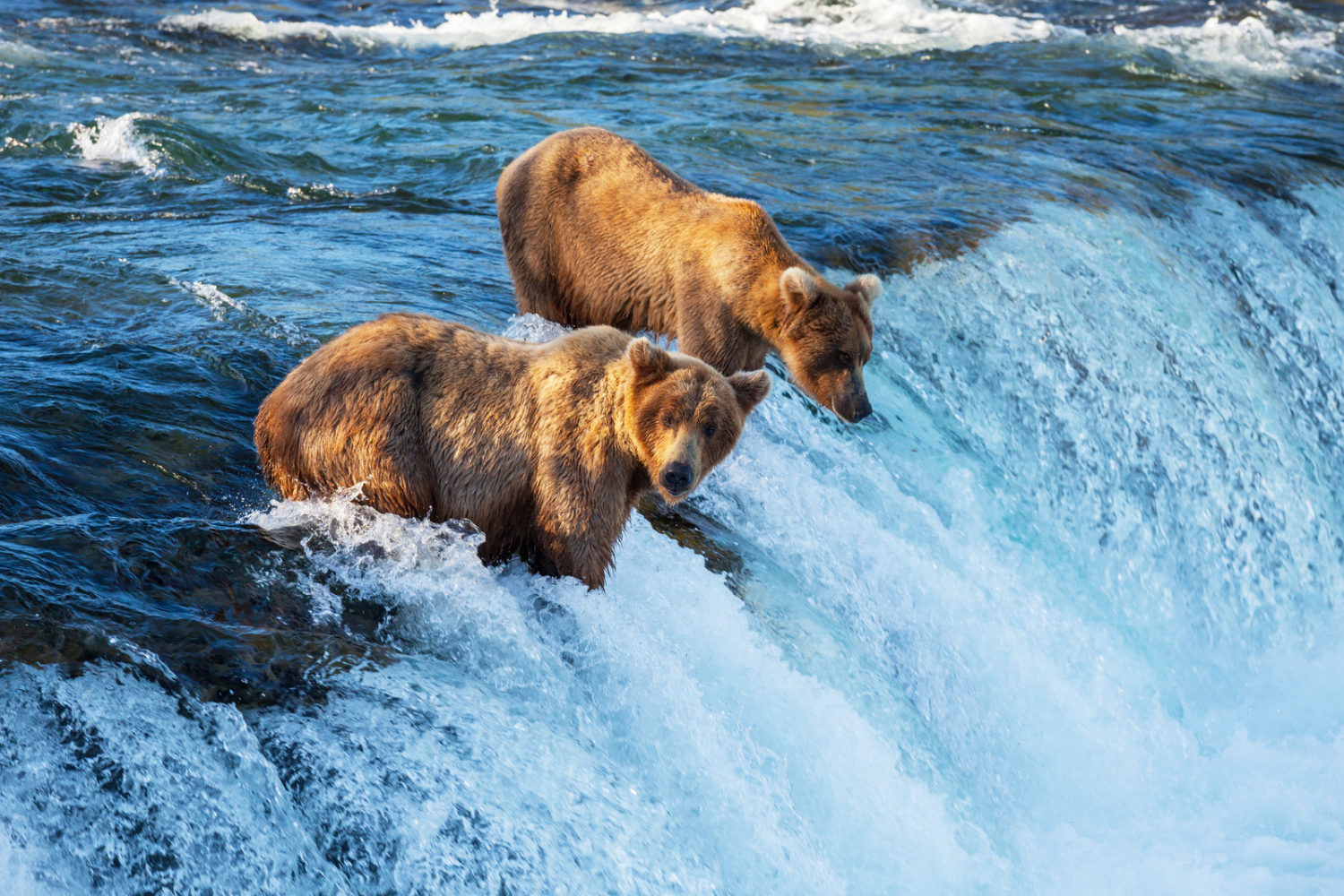
On Friday, October 16, the federal government finalized a rule reopening Alaska’s national preserves to bear baiting by sport hunters. Trophy hunters can now stack up donuts, bacon grease, and other human food, wait for hungry black and brown bears to keep coming back, and shoot them at close range.
These aren’t scraps of forgotten backcountry. The affected lands include preserves at Denali, Katmai, and Gates of the Arctic, places people cross the globe to see bears alive and wild. The final rule takes effect 30 days after it’s published in the Federal Register, which means bait piles could be legal on these public lands by mid-November.
Four Administrations, Four Different Answers
Here’s the part every animal advocate needs to sit with. The bears didn’t change. The science didn’t change. The preserves didn’t change. The only thing that changed was who won the election.
- 2015: The National Park Service banned bear baiting on Alaska’s national preserves.
- 2020: A new administration lifted the ban.
- 2024: The next administration restored it after years of court fights.
- 2026: The ban is gone again, following an executive order signed on the president’s first day back in office that directed the Interior Department to undo the 2024 protections.
Public opinion didn’t decide this, either. A 2023 survey found that 75% of Alaskans oppose bear baiting. Three out of four people who live alongside these bears said no, and it happened anyway.
That’s the hard lesson: popular is not the same as protected. A protection that exists only as an agency rule lasts exactly as long as the people who wrote it stay in power. Policy follows power, and power is decided at the ballot box. This isn’t about one party. It’s about whether the protections we win are built to last.
Rules Get Erased. Laws Stick. That’s Why Your Ballot Matters.
An agency rule can be wiped out with a signature. A law is far harder to undo. When Congress writes wildlife protections into statute, they don’t flip every time the White House changes hands. Congress also decides how the Interior Department is funded and what it can spend that money on. Every member of Congress on your ballot gets a say in whether protections like this one stand or fall.
The same is true closer to home. In New York, protections for animals are won or lost in Albany and at City Hall. Every animal protection law VFAR has helped pass, starting with our very first win banning wild animal acts in New York City circuses, happened because lawmakers who cared about animals were in office and ready to vote yes.
That’s why VFAR builds electoral power for animals. In New York’s 2026 primaries, 39 of the 46 candidates VFAR endorsed won their races. When elected officials see animal voters turn out, animals stop being an afterthought and start being a priority.
What You Can Do Right Now
- Sign the petition. Tell the National Park Service to keep trophy hunters out of our public lands. National preserves belong to every American, and the agency needs to hear that baiting bears into rifle range is not what we want for them.
- Make your voting plan. New York’s general election is Tuesday, November 3. Early voting runs October 24 through November 1, and October 24 is also the last day to register. Find your early voting site and hours now so nothing gets in your way.
- Ask candidates where they stand. If someone wants your vote, ask what they’ll do to protect wildlife. Their answer tells you a lot.
Alaska’s bears lost their protections because of an election. The way we win them back, and make them stick this time, runs straight through the next one.